A collection with a place
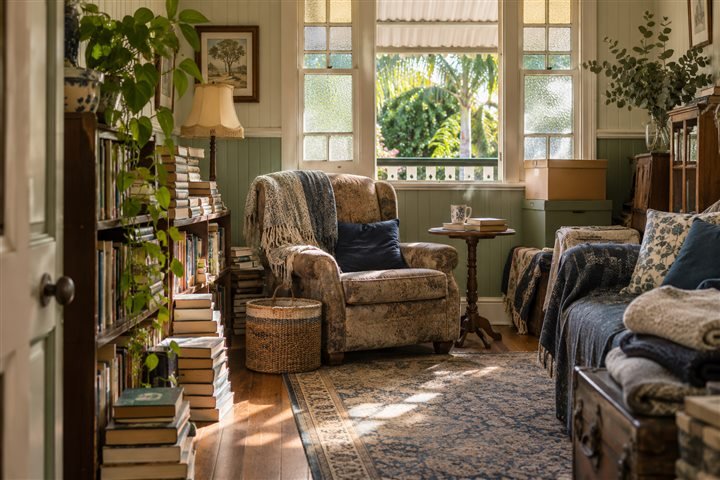
Jo collects vintage tea tins. They are displayed on a bookcase, and Jo sometimes gives a duplicate away. The kitchen and dining table still work as intended.
Support for the home
When it feels hard to use parts of your home, it can help to start with one useful change. We can talk about what you want to keep, what feels difficult and what would make the space easier to use.
Two everyday examples
Jo collects vintage tea tins. They are displayed on a bookcase, and Jo sometimes gives a duplicate away. The kitchen and dining table still work as intended.
Sam keeps bags of old magazines and unopened parcels. The piles make the dining table unusable, and deciding what to part with feels distressing. It is the impact and distress, not the number of things, that matter.
Read more from Healthdirect Australia on hoarding disorder. These are fictional examples, not a way to diagnose someone.
Severe domestic squalor describes unsafe or unsanitary conditions in a home. It does not describe the person, and it is not the same as hoarding. For example, a kitchen can become hard to use safely when waste or spoiled food has built up, even if there are very few possessions in it.
Support can start with the space you need most, such as making a clear path to the door or planning how to tackle the kitchen. Discuss the order of work and what you wish to keep before cleaning starts.
For a longer explanation of the term, see SA Health on severe domestic squalor.